

Why Megascreen Direct View LED are best suited for Indoor Retail Environments

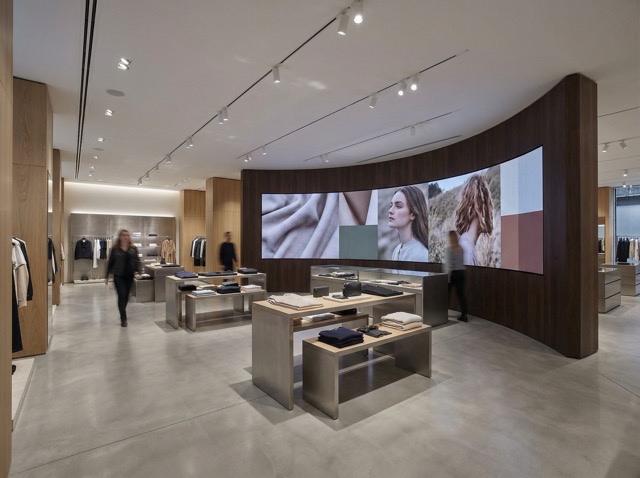
When the screen needs to look like part of the fitout, not an add-on
Retail has changed. Stores are no longer just places to hold stock. They’re places to tell a story, guide a customer, and make product feel more considered than it does online.
That is where direct view LED fits best.
Not as a loud feature, but as an architectural surface that can carry brand content with high colour fidelity, hold up under retail lighting, and adapt to modern fitouts where the “perfect 16:9 wall” rarely exists.
Megascreens works in a specific niche: indoor, fine pitch direct view LED, engineered for premium environments where visual consistency and reliability protect brand experience.
Why retailers are moving past static graphics
Static print is familiar. It’s also fixed. It cannot respond to seasonality, stock priorities, launches, or daily trading patterns without reprint and refit.
Digital LED shifts that model.
Independent studies and case work consistently show that digital signage outperforms static in attention and engagement. For example:
- shoppers spend around 30% more time browsing in stores using digital signage compared with static displays
- 63% of consumers say digital displays capture their attention more effectively than static alternatives
- interactive digital experiences have been shown to drive higher conversion rates than traditional static methods
The point is not “more screens”. It’s better use of the space you already have.
A single well-placed LED surface can replace multiple posters, reduce visual clutter, and keep messaging current without rework.
Colour fidelity is a brand issue, not a technical detail
In premium retail, colour is not decoration. It is product truth.
Fabric tone, cosmetic shade, leather finish, jewellery warmth, skin tone and lighting mood are all part of how a customer judges quality. If your displays drift, clip highlights, or render colour inconsistently, it undermines trust.
Fine pitch direct view LED supports stronger brand presentation because it can deliver:
- consistent colour across a large surface
- a seamless canvas for imagery, film, and product storytelling
- stable performance across long daily opening hours
This is why DV LED shows up in luxury and flagship interiors. It is one of the few large-format display technologies that can look deliberate at close range when specified correctly.
Modern retail fitouts are rarely “simple walls”
Most retail environments are not clean rectangles.
You have:
- alcoves and architectural recesses
- wraparound walls and corridor sightlines
- columns, soffits, and joinery constraints
- feature zones that need a custom aspect ratio
- store layouts designed for flow, not for screens
Direct view LED is well suited to this reality because it is modular and can be built to the geometry of the space. That means you can create:
- wide panoramic walls behind hero product
- tall portrait displays for campaign storytelling near entrances
- ribbon displays integrated into joinery or above gondolas
- bespoke aspect ratio canvases that sit cleanly inside architectural detailing
The result is usually quieter than a collection of smaller screens. One surface, integrated properly, can do more with less.
Choosing the right Megascreens product for retail
Retail use-cases vary. The correct system depends on ambient light, viewing distance, how permanent the install is, and how close customers will stand.
MS Pro Series
Best for premium indoor retail interiors.
MS Pro Series is Megascreens’ flagship permanent indoor fine pitch platform, designed for close viewing distances and architectural integration.
Typical retail applications include:
- hero walls behind featured product
- brand storytelling walls in flagships
- experience zones and seasonal campaign backdrops
- integrated feature canvases that need custom sizing
Key characteristics (project-dependent):
- fine pitch selection typically suited to close viewing
- LED options including SMD, MIP, and GOB depending on visual and durability needs
- engineered for long daily run-times and consistent performance
- design choices that support quieter integration into the fitout
If the screen is meant to feel permanent and premium, MS Pro Series is usually the right starting point.
MS Max Bright
Best for daylight-facing shopfront windows or very bright retail zones.
Retail lighting and glazing can be unforgiving. If the display sits in a window line or a high ambient environment, brightness capability becomes a functional requirement.
MS Max Bright is designed for:
- daylight-facing shopfront windows
- bright retail environments
- long run-times at elevated brightness with stable calibration
Brightness is always configuration-dependent, but the point is simple: it’s specified when the environment demands it, not as a headline for every project.
What to show on retail LED screens so it feels seamless
The fastest way to make a premium screen feel cheap is to run the wrong content.
Retail DV LED works best when the content matches the environment and the viewing behaviour.
Formats that consistently perform:
- Slow macro product film loops
Texture, materials, stitching, finishing, reflective surfaces. Designed to read without sound. - Seasonal story sequences
10–20 second loops with restrained pacing, consistent grading, and clear product hierarchy. - Contextual lifestyle footage
Real environments, natural skin tones, controlled lighting. Avoid overly saturated grading that breaks colour trust. - Simple modular layouts
If you need messaging, keep it minimal and legible. Large typographic blocks and clean spacing. Avoid crowded templates.
Retail customers stand close. They see detail. Your content should assume that.
The real value: fewer compromises over the life of the store
A retail display is not a campaign. It is part of the environment.
When specified correctly, DV LED delivers practical advantages that matter day-to-day:
- a consistent brand surface across seasons and launches
- fewer physical changeovers and less print waste
- clearer storytelling in complex store layouts
- a premium finish that supports the fitout rather than fighting it
- long-hour reliability, with serviceability planned into the build
This is why DV LED is becoming a default choice in modern flagship design. It solves a real problem: keeping brand presentation high quality, even as the store changes around it.
Frequently asked questions
Yes. DV LED displays are well suited to healthcare settings due to their high reliability, long lifespan, and excellent visibility. When specified correctly, they can be used safely in reception areas, waiting rooms, consultation spaces, and staff-only environments.
LED displays help patients feel more informed and at ease by providing clear wayfinding, appointment updates, and reassuring visual content. In waiting areas, they can reduce perceived wait times and create calmer, more welcoming environments.
Yes. LED screens can support telemedicine consultations, staff briefings, and internal communications by providing high-resolution visuals, accurate colour reproduction, and reliable performance for video and data sharing.
Modern DV LED systems are designed for minimal maintenance. Front-serviceable modules allow quick repairs without disruption, and remote monitoring enables proactive support — making them ideal for environments where uptime is critical.